Hitachi Energy's Transformer Insulation Plant in Ontario
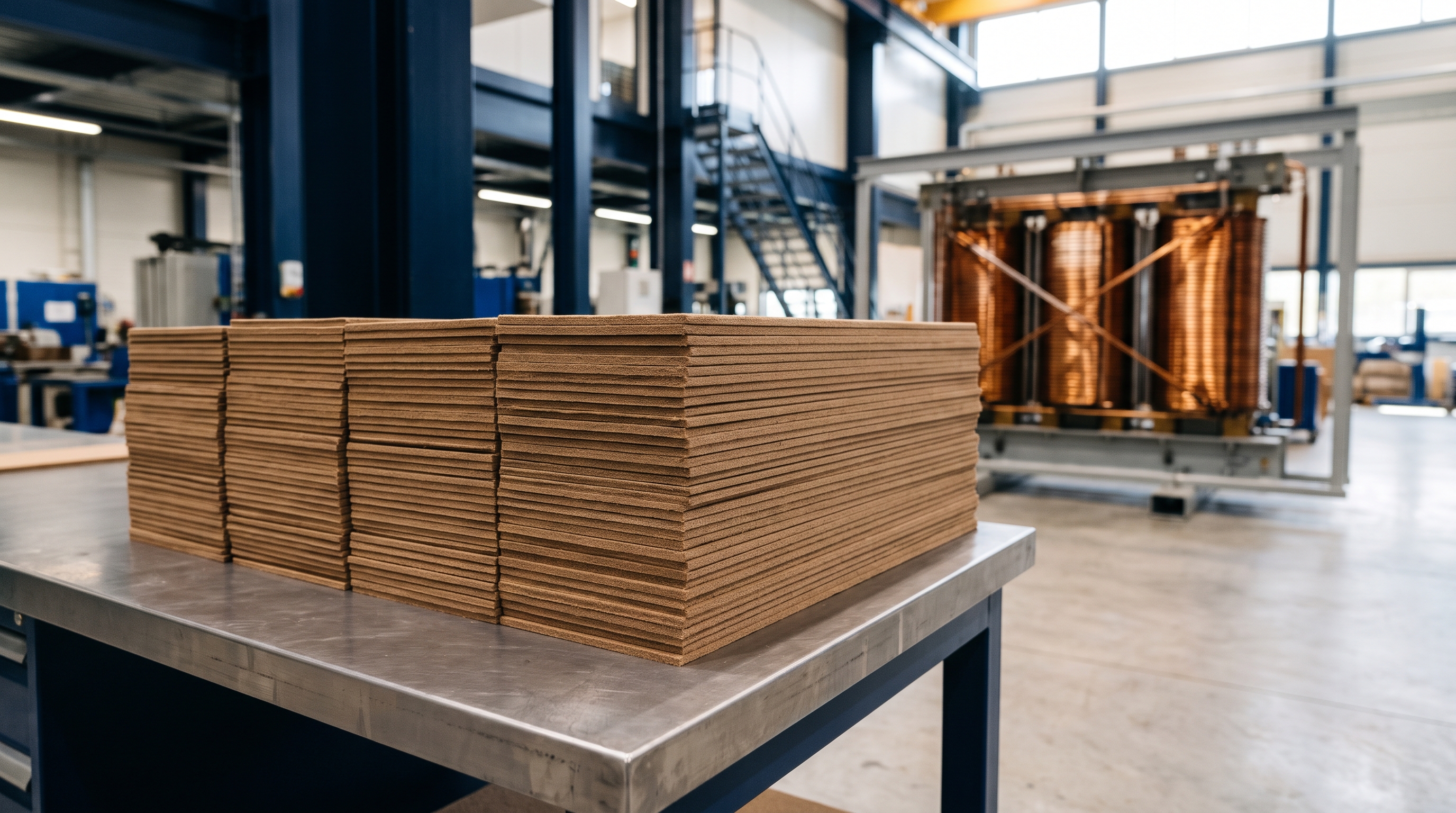
Hitachi Energy's transformer insulation plant in London, Ontario targets pressboard, a component bottleneck. The release names no finished-unit capacity.
Hitachi Energy plans to build a transformer insulation plant in London, Ontario. The company says it will invest $479 million CAD (more than $330 million USD, by Hitachi Energy’s own conversion) in a Transformer Insulation Factory that will make electrical insulation pressboard and laminates, with completion expected by 2028. For a utility or distributor buying transformers, the short version is this: the plant targets a component bottleneck, not finished-unit capacity, and nothing in the announcement changes what you can buy today.
What Hitachi Energy announced
Everything in this section comes from Hitachi Energy’s October 16, 2026 release.
- Product: pressboard and laminates “critical to transformer production and operation.” The release calls the site “Canada’s first pressboard manufacturing line and Hitachi Energy’s first in the Americas.”
- Size and timing: a planned 21,000-square-meter facility, expected to be completed by 2028, with over 100 permanent skilled jobs.
- Public support: $20 million CAD from the Government of Canada through the Strategic Response Fund, up to $20 million CAD from the Government of Ontario through the Invest Ontario Fund, and an additional $10 million CAD from Natural Resources Canada.
- Context: Hitachi Energy places the plant inside its commitment to invest more than $2 billion USD in the North American supply chain through 2027. The same release lists its acquisition of Canduct, a London-based maker of transformer insulation kits and components, and a $270 million Canadian expansion to nearly triple large power transformer production capacity in Varennes, Quebec.
Why Hitachi calls pressboard a transformer component bottleneck
Pressboard is a cellulose-based board insulation used inside transformers. Hitachi Energy’s release says it provides electrical insulation and supports cooling inside the unit, and that “manufacturers continue to face global supply constraints, including limited availability of the specialized insulation materials required for transformer production.” Helmut Bockshammer, the company’s Global Product Group Manager for Insulation & Components, said the factory will “help address one of the most critical bottlenecks in transformer manufacturing.”
A federal laboratory report points the same way, with limits. The National Laboratory of the Rockies’ May 2026 report on the large power transformer supply chain, which we also used in our bushing lead-times post, calls pressboard a “critical item” that is “often imported” and says sourcing it is “a global challenge, except perhaps from China.” One passage says the United States has “a few producers of pressboard and insulating materials”; another says pressboard has “a single domestic manufacturer.” Its import table lists Finland, Italy and France as the top sources, using a tariff code the authors treat only as a proxy. The report’s subject is large power transformers, not distribution units.
For a large power transformer buyer, the report puts insulation alongside bushings and tap changers as a constraint upstream of the slot a manufacturer quotes. Neither document establishes that for distribution units.
What the plant does not tell you about transformer supply
The release is silent on the numbers a buyer would need:
- No output volume. Hitachi Energy gives floor area and jobs, not tonnes or sheets per year.
- No customer plants. It does not say which transformer factories, Hitachi’s or anyone else’s, will take the material.
- No transformer class. Nothing ties the pressboard to distribution transformers, pad-mounts or large power units.
So there is no basis for converting this investment into transformer units or weeks of lead time. And a plant expected to be completed by 2028 does not change the material supply behind a bid you evaluate today. For the finished-unit side of Hitachi’s buildout, see our read on its Mississippi transformer plant, scheduled to start production in 2029.
What buyers can do with this now
The useful takeaway is about questions, not timing. When you evaluate bids on long-lead units, ask where the critical materials come from, not only where final assembly happens:
- Ask bidders to name their insulation, bushing and tap changer sources and whether any are single-sourced.
- Ask what changes if a component slips. A firm assembly slot means little if the pressboard or bushings arrive late.
- Score supply-chain answers explicitly in your evaluation, the way our guide to evaluating transformer bids when lead times exceed two years does for delivery risk.
The free transformer RFQ builder includes a review checklist you can adapt to add component-sourcing questions to your next solicitation. It is a drafting aid, not engineering sizing or a compliance certification.
Related Reading
- Transformer Bushing Lead Times: The Longest-Lead Component
- Hitachi’s Mississippi Transformer Plant Starts in 2029
- How to Evaluate Transformer Bids When Lead Times Exceed Two Years
Get the week’s supply-chain signals in one email. The Feeder is our free weekly read on what changed and what it means for the next order. Subscribe to The Feeder.
Frequently Asked Questions
What will Hitachi Energy's London, Ontario plant make?
Hitachi Energy's October 16, 2026 release says the planned Transformer Insulation Factory will manufacture electrical insulation pressboard and laminates used in transformer production and operation. It does not build finished transformers.
When will the Ontario transformer insulation plant be finished?
Hitachi Energy says the facility is expected to be completed by 2028.
Will the plant shorten distribution transformer lead times?
The release names no output volume, no customer plants and no transformer classes, so it does not support a lead-time or unit-count effect for distribution transformers. It addresses an upstream material Hitachi calls one of the most critical bottlenecks in transformer manufacturing.
Know what changed before your next quote
Free Member tier. Pick your topics. Get a weekly digest filtered to what you actually buy.