What IEEE PES T&D 2026 Reveals About Grid Procurement
The largest T&D conference in history organized its entire program around data center load and grid resilience. Here is what that signals for equipment procurement in 2026-2027.
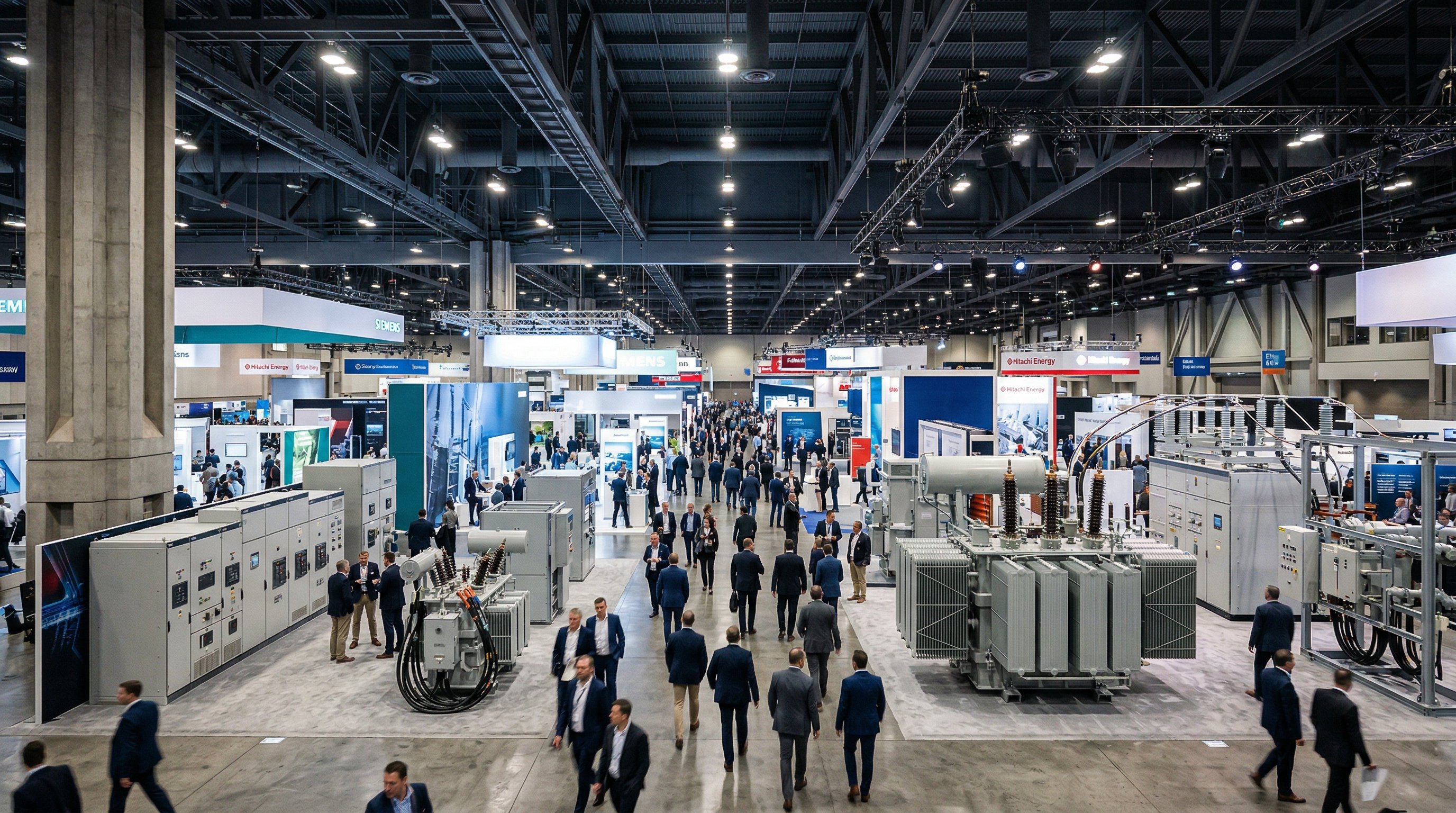
Chicago’s McCormick Place will host 15,000-plus attendees and more than 900 exhibitors at IEEE PES T&D 2026 this spring. By both measures, it is the largest T&D conference in the event’s history.
That growth is not incidental. The size of the conference reflects the size of the problem the industry is trying to solve. And the way the conference is organized tells you exactly where utility procurement dollars are heading over the next 18 months.
The Theme Is Not Marketing Copy
The official theme for IEEE PES T&D 2026 is “Powering Reliability, Engineering Resilience.” Host utility ComEd named that theme, and their VP of Engineering is participating in a featured session called “Carbon Goals vs. Grid Reality,” alongside the Department of Energy.
That session title alone tells a story. The grid industry spent years debating decarbonization as aspiration. The 2026 conference is treating it as a tension to be managed in real time, with real load growth pressing against real infrastructure constraints. The shift from “how do we get there” to “how do we handle both at once” has direct procurement implications.
Jackie Peer of SEL Inc. and IEEE PES, and Carla Frieh of ComEd, both led their pre-conference interviews with the same two pressures: data center load growth and electrification demand arriving simultaneously. That is not coincidence. It reflects what is sitting at the top of every utility planning conversation right now.
Four Tracks That Map to Four Equipment Categories
The expo floor is organized around four named tracks: the emerging technology track, Data Centers, Grid Edge, and Renewables. For procurement teams, those four tracks map almost directly to equipment categories.
Data Centers means transformers. Every hyperscale facility in the planning pipeline needs substation-class units. The track’s prominence at the industry’s flagship event is a signal that manufacturers are treating this demand as structural, not cyclical. If you are sourcing pad-mount three-phase or medium-voltage dry-type transformers, you are competing with the same buyers who will be walking that track.
Grid Edge means protection and switchgear. The distribution edge is where most of the new load is connecting: EV chargers, distributed solar, battery storage, small commercial buildings adding 50-100 kW of new draw. Protecting those connection points requires reclosers, sectionalizers, and fuses at scale. Automated grid control is named as one of the fastest-growing challenges in the industry, and the equipment required to implement it is already on extended lead.
Renewables means cable and interconnection equipment. Generation interconnects are backlogged at FERC. Every interconnect requires T&D infrastructure before a single watt gets dispatched. The Renewables track at a procurement-heavy conference signals that the interconnect queue is becoming a supply chain problem, not just a regulatory one.
The emerging technology track is where new equipment categories appear first. Advanced conductors, flexible transformers, and grid-forming inverters are all in various stages of moving from pilot projects to procurement specifications. What is on that floor today tends to be in specification documents in 18-24 months.
900-Plus Exhibitors From 50 Countries
The exhibitor count matters for a specific reason. Manufacturers from 50 countries represented at the expo indicates that global supply chains are actively being built or rebuilt for the North American grid market.
Headline sponsors include Hitachi Energy, Schneider Electric, and GE Vernova. Those three names cover a significant share of global transformer and switchgear production capacity. Their sponsorship level at the largest T&D conference in history reflects where they expect procurement volume to concentrate.
For procurement managers sourcing large power transformers or high-voltage switchgear, the conference is a real-time picture of which manufacturers have capacity to offer and which are already committed through 2027 or beyond. The conversations on that floor feed directly into the allocation decisions that determine your lead time quote next month.
The Super Session Format Is Worth Noting
A new “Super Session” format was introduced this year, designed for real-time collaborative decision-making rather than traditional presentations. The named Super Session, “Carbon Goals vs. Grid Reality,” includes DOE participation alongside ComEd’s VP of Engineering.
The choice to create an interactive format for that specific topic signals something: the industry no longer has consensus on how to sequence grid investments. The tensions between decarbonization mandates, reliability requirements, and affordability constraints are live enough that the industry’s largest event is creating a new session format to work through them in front of 15,000 attendees.
Those tensions do not resolve without equipment. Whether a utility decides to accelerate renewable interconnection or extend the life of existing thermal assets, the distribution infrastructure that sits between generation and load needs upgrades either way.
What This Means for Procurement Calendars
The conference tells you where the industry is paying attention. Where the industry pays attention, procurement follows.
Several signals worth tracking coming out of IEEE PES T&D 2026:
Grid automation is the fastest-growing challenge named by conference organizers. That category spans protection relays, communications-capable reclosers, SCADA integration hardware, and the switching equipment that automation depends on. Lead times on protection and control equipment have been quietly extending while most procurement attention has been focused on power transformers. That gap is worth reviewing.
Data center load growth is now the dominant demand signal at the industry’s premier technical event. If your territory has data center development in the pipeline, the allocation pressure on medium-voltage transformers and switchgear will arrive before the construction crews do. The planning cycle for that equipment starts now.
DOE is at the table on the hardest trade-off questions. Federal procurement standards, efficiency mandates, and funding requirements will shape which equipment specifications utilities can actually buy. The BABA domestic content requirements alone have changed sourcing decisions for transformer procurement. That regulatory overlay is only getting more complex through 2027.
The Practical Takeaway
Fifteen thousand industry professionals are gathering to work through the same problems your procurement team is already dealing with. The conference program is not an academic exercise. It is the industry’s collective list of what it does not yet have answers to.
The equipment categories at the center of those unsolved problems (transformers, switchgear, protection, cable) are the same categories where lead times are longest and supply is tightest. That is not a coincidence.
Procurement teams that treat IEEE PES T&D as a sourcing signal rather than a trade show tend to place orders before the demand spike. That lead is usually worth more than any negotiated price improvement.
The monthly read on where this is heading
This year’s flagship T&D conference drew more than 15,000 attendees and organized its whole program around data centers and grid resilience, and where that much industry attention lands tends to show up in procurement calendars 18 months later. The Feeder is our free monthly digest of the procurement signals that move utility and distribution equipment buyers: lead-time shifts, supplier capacity, federal funding, and the RFP language that follows. One email a month, no filler.
Source: T&D World, April 2026, pp. 34-36. IEEE PES T&D 2026 conference details, sponsor identification, and interviewee quotes drawn from pre-conference coverage. All claims sourced to publicly available trade press.
Free RFQ templates. Weekly digest. Yours.
Free Member tier. Pick your topics. Get a weekly digest filtered to what you actually buy.