FCC Inverter Ban: What the Covered List Means for Buyers
The FCC inverter ban is final. What the Covered List actually restricts, which models stay sellable, and how buyers qualify a compliant alternate.
On July 28, 2026, the FCC inverter ban stopped being a draft. The Commission added foreign-produced connected power inverters to its Covered List, the roster of communications equipment it judges an unacceptable risk to US national security. Listed equipment can no longer receive the FCC authorization that every radio-emitting device needs before it is imported, marketed, or sold in the United States.
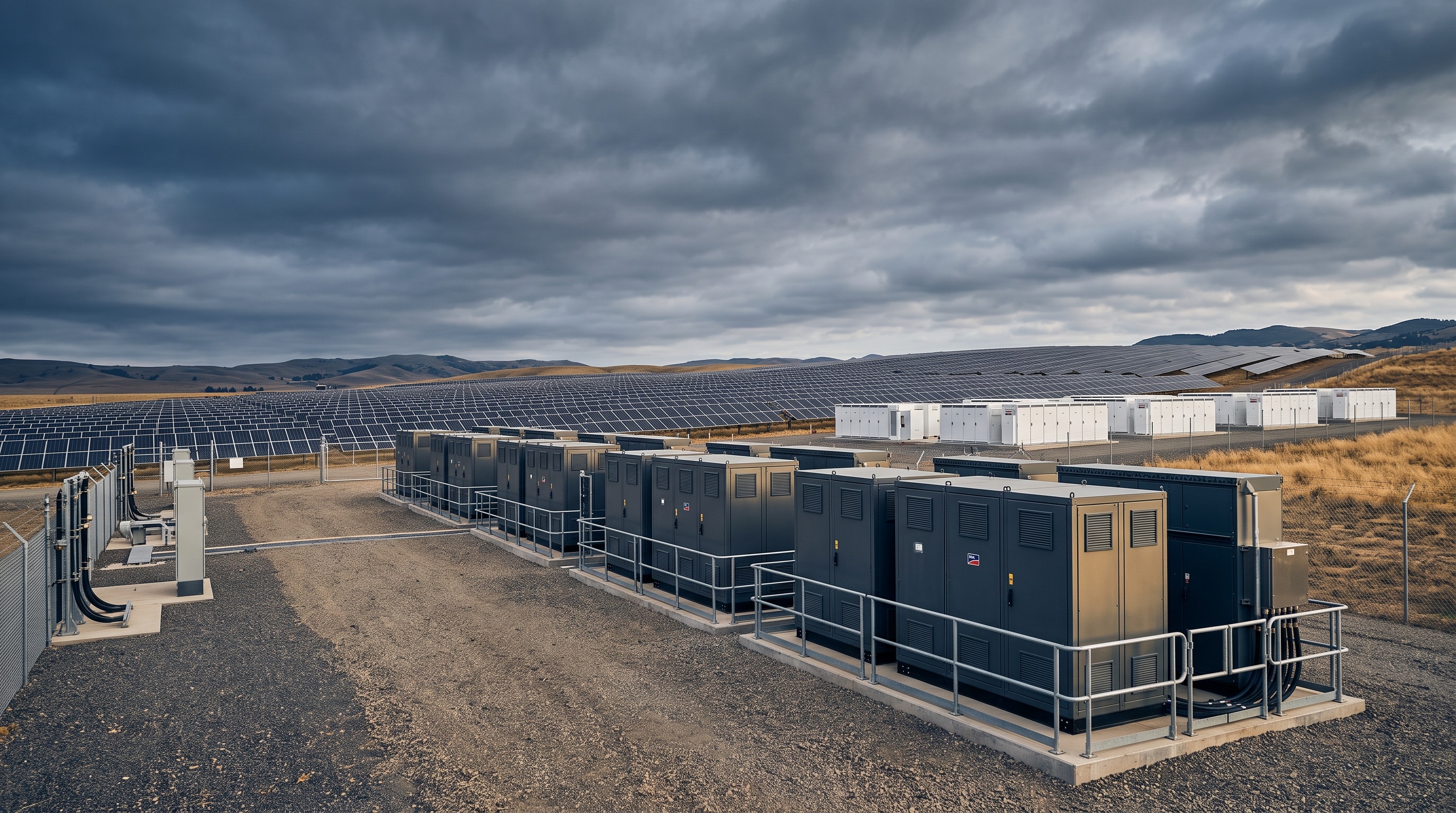
The agency is still the surprising part. Not Commerce, not the Department of Energy. An inverter is the power-electronics box that connects solar arrays, battery storage, and other distributed energy resources to the grid. It also, increasingly, carries an embedded radio for remote firmware updates and control. That radio is the legal hook, because the FCC regulates communications-capable equipment. The concern driving this rule was never the panel or the cell. It is the remote-control link inside the inverter, and that framing decides the scope.
We covered this rule on July 2, 2026, while it was still being drafted, and told buyers to pre-qualify alternates before it landed. It has landed. What follows is the corrected read, and the short version is that the restriction is considerably narrower than the headlines suggest while the exposure it creates grows every month a buyer holds a foreign platform.
The market is 55 percent Chinese, and the alternate bench is short
The reason a Chinese energy inverter ban is a supply problem, not just a headline, is concentration. Per Wood Mackenzie, Huawei and Sungrow together shipped roughly 324 gigawatts of AC inverter capacity in the first half of 2025, about 55 percent of everything sold, each at a record share. Chinese firms hold nine of the world’s ten largest inverter positions.
The non-Chinese list is short: SMA in Germany, Fronius in Austria, TMEIC in Japan, SolarEdge in Israel, and Enphase in the United States, which sits at number ten. If new China-linked models are barred, buyers re-source from a supplier base that today holds a minority of global capacity. That is the same allocation math already straining transformers and breakers, now reaching power electronics. When demand crowds onto a handful of manufacturers, lead times stretch and the queue for factory slots gets longer. That bench does not widen just because the rule arrived. A buyer who standardizes late joins the line behind everyone who moved first.
What the Covered List actually restricts
This is the most misreported part of the FCC inverter ban, and being wrong in either direction is expensive.
The definition has two halves and both must be true. The device converts DC to AC or AC to DC, which takes in microinverters, string inverters, central inverters, and hybrid battery-based units. And it contains components enabling remote communication, control, sensing, data collection, or monitoring through Wi-Fi, cellular, Bluetooth, or similar connections. A foreign-produced inverter carrying no such radio does not meet the definition at all. Counsel reading that enumeration have noted it lists wireless links rather than hardwired Ethernet or fiber, which leaves a genuine open question about wired-only products that the Commission has not answered.
That two-part test is also why the scope runs well past rooftop solar. Storage inverters and the power-conversion systems behind battery projects carry the same radios, and so do the DER gateways sitting between distributed resources and the utility. Our July analysis argued the trigger would follow the radio rather than the application. The final definition does exactly that, and for anyone buying storage it is the most consequential sentence in the whole action.
What the listing does is block new equipment authorizations, and only those. Models the FCC has already authorized may still be produced, imported, marketed, and used, unless the Commission moves separately to revoke them. The American Public Power Association put the practical version to its members plainly: previously purchased devices are unaffected, and utilities can still import, buy, and use any inverter model the FCC had already approved. Two limits on that grandfathering matter. Hardware modifications to an authorized model are barred without a separate waiver, while software and firmware updates run under a blanket waiver through January 1, 2029.
The last point is the one most likely to catch a buyer out. This rule is written on foreign production, not on China. The Commission named no manufacturers at all. It wrote a definition, and every foreign-produced connected inverter falls inside it, including units from German, Austrian, and Spanish suppliers that nobody would describe as a China risk. Do not read “not Chinese” as “not covered.” The operative test is where the product was made and whether it carries a radio.
The security case behind all of it still has a wrinkle worth stating plainly. In 2025, US experts stripping down grid-connected equipment reported finding undocumented communication devices in some Chinese inverters. That reporting seeded the rule. But the Department of Energy then inspected roughly 30 inverters and found no evidence of malicious or intentional communications differences. The driver is precautionary and geopolitical rather than a confirmed exploit, and it was revived when the European Commission moved in May 2026 to bar Chinese inverters from publicly funded energy projects.
The exemption is an onshoring test, not a security audit
Whether this becomes a hard partition of the market or a paperwork tax turns on the exemption, and its shape is now on the record. A manufacturer can seek Conditional Approval for specific models or product lines, which lifts them off the Covered List and lets them receive new authorizations again. Applications are due by January 1, 2028. Review sits with the Department of War and the Department of Homeland Security.
What an applicant has to produce says more than the deadline does. Beneficial ownership, plus the nationality of the board and the executive team. A bill of materials carrying country of origin for components, design, and software. And a time-bound plan to establish or expand manufacturing in the United States, measured in one to five years. There is no code audit on that list and no firmware attestation. The government is not asking a foreign vendor to prove the radio is safe. It is asking the vendor to commit to building here.
For a buyer, that is the useful signal in the whole action, because it tells you which of your suppliers will still be selling new models in 2029. It will not be the ones with the best security story. It will be the ones with the capital and the intent to stand up US production. A supplier who will not give you a direct answer about whether they are filing has effectively given you one.
The domestic content trajectory this joins
This is not a standalone action. It layers onto a policy direction that has been building for two years. The Defense Department is already walled off: under the NDAA for fiscal 2026, DoD cannot buy solar cells, modules, or inverters from a foreign entity of concern, which includes Chinese manufacturers. The Covered List listing extends that pressure past defense procurement and onto the civilian grid, and it does so through the grid equipment supply chain rather than through a funding condition.
Buyers have watched this pattern arrive class by class. It showed up in the Section 232 tariff tiers on grid equipment, in the FEOC sourcing rules the One Big Beautiful Bill attached to tax credits, and in the scramble to identify which manufacturers actually meet Build America, Buy America content thresholds. Country of origin has moved from a compliance footnote to a line item that decides eligibility and cost. Inverters are the newest entry on that list, and the gap between what domestic content policy asks for and what domestic factories can currently deliver is the same one visible in federal transformer procurement.
What this means for inverter sourcing
Be precise about where this stands, because both of the available overreactions cost money. The FCC inverter ban is final, and it changes close to nothing on a project closing this quarter. Authorized models still clear customs and still get installed. Tearing up a live specification is wasted motion.
It changes almost everything on a project specifying equipment for 2028 and beyond. The exposure compounds as a function of time rather than of the rule’s severity. A utility standardized on a foreign platform is now standardized on a frozen catalog. When the vendor eventually retires that model, which is a commercial decision and not a regulatory one, there is no authorized successor in the same family. The replacement is a different platform with different protection settings, different communications, and a different spares pool.
Three things to do. Inventory country of origin across pending storage and DER interconnections at the bill-of-material line, because the real question is not whether a vendor is banned, which mostly they are not, but which of your standard models are foreign-produced and carry a radio. Confirm that any alternate holds a granted FCC authorization rather than a pending application, since a pending application for a foreign-produced connected inverter became a materially different risk on July 28. Then, on any RFP running into 2027, require bidders to name the manufacturer, the country of production, the authorization already on file, and whether they intend to seek Conditional Approval.
That last item belongs in your standard qualification package from here on. It is the same discipline that applies whenever you bring a new supplier into a critical equipment class: what you are buying is evidence of a path, not a promise.
A harder question, which suppliers can actually deliver into your region and on what schedule as the field re-sources, is the kind of supply and lead-time analysis we build into our intelligence reports. The free read is below.
The Feeder is our free monthly digest of the procurement signals that move utility and distribution equipment buyers. Trade-rule shifts, domestic-content changes, lead-time data, and the RFP language that follows. No noise. Subscribe at distroforge.com/feeder.
Related Reading
- Section 232 Grid Equipment Tariffs: Who Actually Gets 15%
- BABA Compliance for Transformer Procurement: Which Manufacturers Are Certified?
- One Big Beautiful Bill: Utility Equipment Demand Shifts
- IONATE Hybrid Transformer: When to Qualify a New Supplier
- Federal Transformer Procurement: Policy vs. Reality
Free RFQ templates. Weekly digest. Yours.
Free Member tier. Pick your topics. Get a weekly digest filtered to what you actually buy.