Virtualized Protection and Control: RFQ Questions
Virtualized protection and control moves relay functions onto substation servers. Ask these redundancy, licensing and compliance questions before you buy.
Virtualized protection and control (often shortened to vPAC) runs protection and control functions as software on substation-grade servers instead of in one hardware relay per bay. Field signals reach those servers through merging units and a process network. For a buyer, the hard part is not the concept. It is writing a specification that makes a vendor state, in writing, what is redundant, what the software license actually covers, and what compliance evidence comes with the system.
This piece uses one documented product as the worked example: Siemens’ SIPROTEC V, announced February 3, 2026. Everything said about that product below is Siemens’ own description, taken from its press release and brochure. None of it is an independent test result.
What virtualized protection and control consolidates
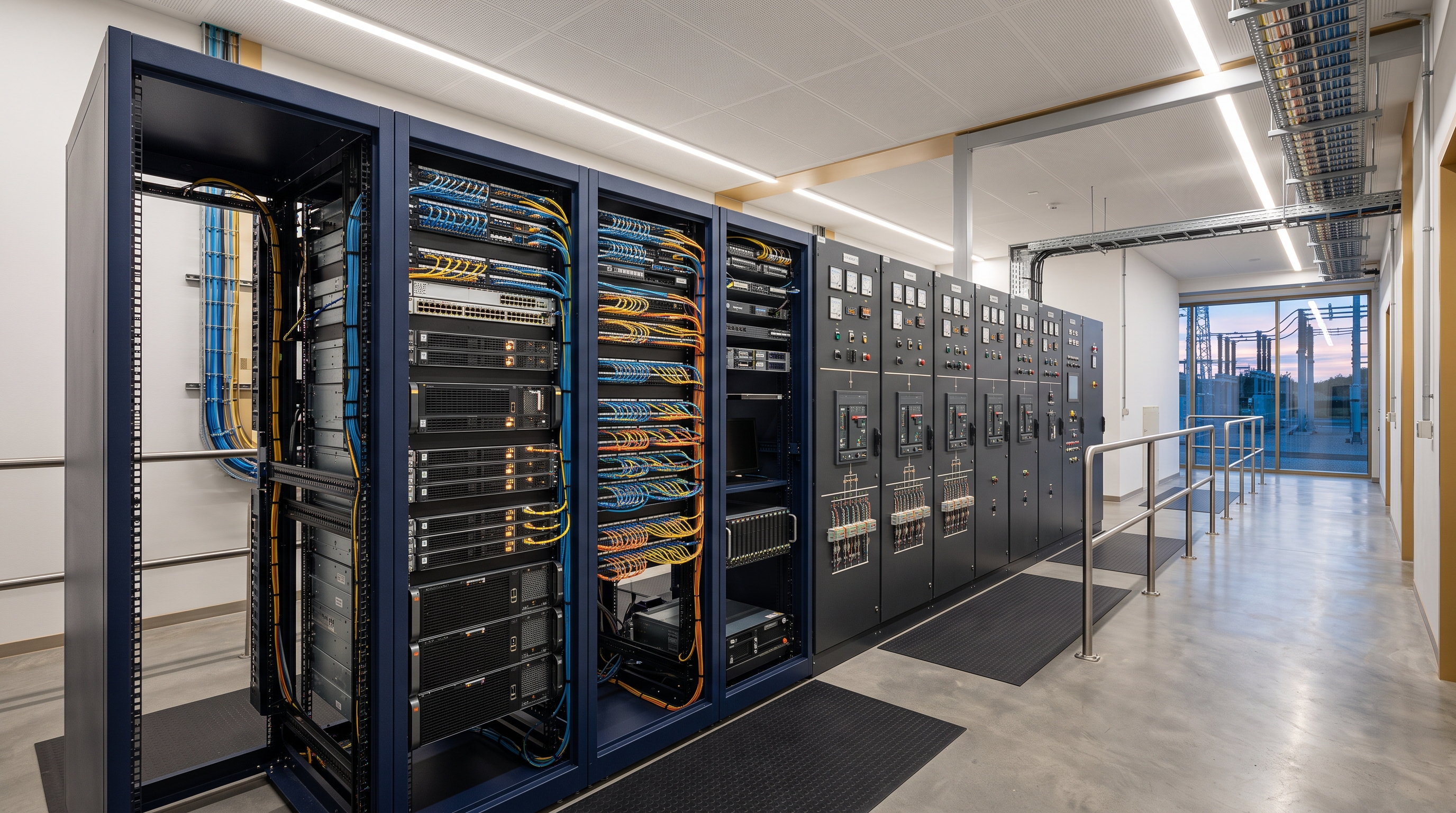
Siemens says SIPROTEC V “consolidates the functionality of up to 60 hardware-based Siprotec 5 devices in one server-based solution.” Its brochure describes the architecture in layers: merging units at the process level, a process network carrying sampled values and GOOSE messages (with PRP redundancy and PTP time synchronization), GPS clocks, a station network, and the computing hardware that hosts the virtual devices.
Two points matter for procurement. First, “up to 60” is a ceiling, not a minimum purchase or a bay count, so the scope you buy should match the bays you actually have. Second, the merging units, process network and time sources are part of the protection system now. They belong in the specification as much as the server does.
Redundancy: the first RFQ question for vPAC
The brochure draws the architecture with “Main computing HW” and “Backup computing HW” and states that “redundant servers offer increased availability.” It lists the server power supply as “single or redundant.”
That tells you the product supports redundancy. It does not tell you what any given proposal includes. Ask each bidder to list every shared failure domain in its proposed design, and to state for each one whether it is duplicated:
- Servers (main and backup, and how protection fails over between them)
- Power supplies to the servers and network equipment
- The process network and its redundancy protocol
- Time sources, and what protection does if time synchronization is lost
- The software layer itself, including how a patch or a bad update is kept from reaching both servers at once
The point of the exercise is to compare proposals on the same terms. A design with two servers but one time source, or one power feed, has a single point of failure that a “redundant” label can hide.
Software licensing: read the terms before the price
Siemens states that a software license is required to activate features, managed through a “function point manager,” using the same function-point concept as SIPROTEC 5. The brochure gives the licensing type as “Perpetual + software maintenance.”
So the license itself is perpetual, and maintenance is a separate line. Put these in the RFQ:
- How many function points the proposed bays require, and how adding a bay or a protection function changes that count.
- What the software maintenance term covers (security patches, version upgrades, support), for how long, and what happens to the installed system if maintenance lapses.
- The vendor’s stated support life for the server hardware the software runs on, and whether it matches the service life you plan for the bay equipment around it.
Ask for these as written terms, so lifecycle cost can be compared across bids, not just first cost.
Compliance: a vendor claim is not your evidence
Siemens says SIPROTEC V helps “utilities in their journey to meet regulatory requirements (NERC CIP/IEC 62351)” and lists “IEC 62443-compliant security safeguards,” role-based access control and hardening among its features. Those are the vendor’s descriptions of its product.
Whether a virtualized system meets your obligations depends on your asset, not on the brochure. If the substation falls under NERC CIP, you still have to show the controls work in your installation. Ask bidders for:
- The specific certifications held, who issued them, and what scope they cover
- Patch and vulnerability-notification commitments, with timelines
- Documentation you would need for your own compliance evidence, delivered with the system
If a substation is not subject to CIP at all, the same questions still help you compare cyber exposure between a virtualized design and a conventional relay panel.
Where this fits in a substation plan
Virtualization is one option among several decisions that shape a substation’s footprint and lifecycle. If you are weighing it alongside GIS versus air-insulated layouts, switchgear refurbishment or SF6-free switchgear, settle the protection architecture in the same specification; Siemens says consolidating devices onto servers reduces the number of panels a substation needs.
Stay current on substation technology
Virtualized protection is one option in a larger substation technology decision. Subscribe to The Feeder, our free weekly newsletter, for the equipment and procurement signals that matter to utility buyers.
Related Reading
- GIS vs Air Insulated Substation: When the Site Decides
- Switchgear Refurbishment vs Replacement: Federal Signal
- SF6-Free Switchgear Has Crossed the Commercial Threshold
Free RFQ templates. Weekly digest. Yours.
Free Member tier. Pick your topics. Get a weekly digest filtered to what you actually buy.