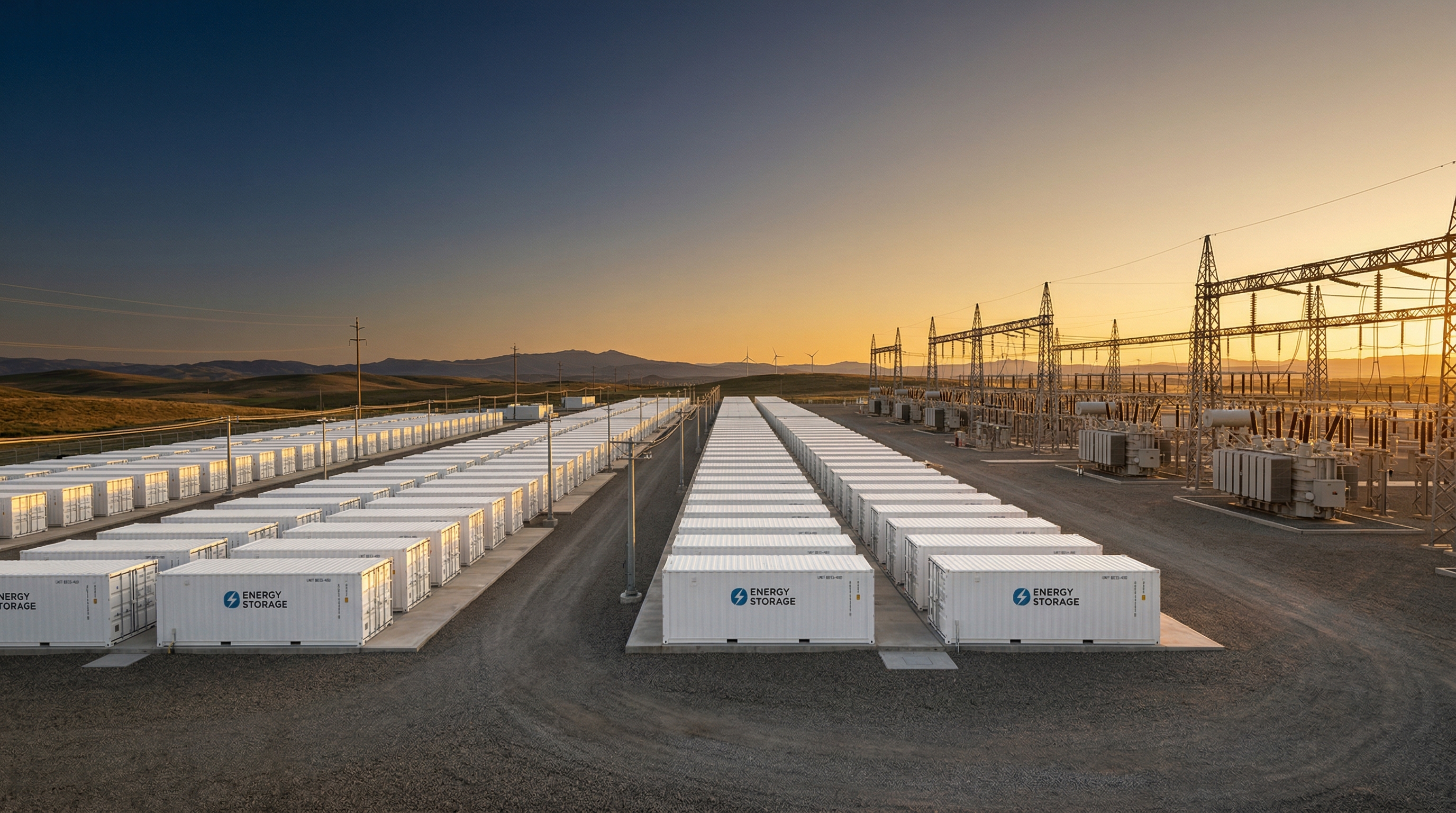
NFPA 800 Battery Safety Code: Procurement Impact
The NFPA 800 battery safety code goes to vote this week. Here is what BESS procurement teams should audit, update, and prepare for.
The NFPA Standards Council votes on NFPA 800 this week, either April 14 or 15. If approved, the new NFPA 800 battery safety code will be published within weeks and become the single reference standard for battery energy storage system (BESS) safety across the entire equipment lifecycle.
For procurement teams, the practical question is simple: does your RFP language still reference NFPA 855, or does it point to the right standard?
What NFPA 800 Actually Changes
The NFPA 800 battery safety code is not a minor revision to NFPA 855. It is a ground-up consolidation. The new standard pulls together requirements from NFPA 855 (stationary energy storage), UL 9540 (energy storage systems), UL 9540A (thermal runaway testing), IEC 62933 (electrical energy storage systems), and NEC Article 706 (energy storage systems) into a single code covering manufacturing, installation, use, storage, transport, and disposal (Facilities Dive, April 2026).
The development timeline was fast by NFPA standards. Typical NFPA codes take two to three years. NFPA 800 was targeted for completion in under 18 months, with the public comment period closing January 29, 2026 (NFPA, January 2026). That speed reflects the urgency created by thermal runaway incidents at large-scale BESS sites and the DOE Energy Storage Grand Challenge pushing rapid grid-scale deployment.
The consolidation effect matters most for procurement teams writing specifications. Instead of negotiating which combination of NFPA 855, UL 9540, UL 9540A, IEC 62933, and local amendments apply to a given project, a municipal utility issuing an RFP for a 10 MW / 40 MWh BESS can reference NFPA 800 once. That cuts the surface area for bidder arbitrage on safety assumptions.
Two Procurement Impacts to Watch
Not every jurisdiction will feel NFPA 800 the same way. The split depends on how aggressively your local authority having jurisdiction (AHJ) was already interpreting NFPA 855.
If your AHJ was already requiring full deflagration setback compliance, gas detection systems, and UL 9540A thermal runaway testing, NFPA 800 mostly codifies what you were already doing. Your specs may need minor language updates, but costs stay flat.
If your AHJ was applying a lighter-touch reading of NFPA 855 (smaller setback distances, fewer gas detection requirements, less stringent testing), NFPA 800 tightens the floor. Installation costs for projects in those jurisdictions will rise. Developers with 2026-2027 BESS projects in the pipeline should assume their AHJ reviews will reference NFPA 800 even before formal local adoption.
The second impact is timeline. NFPA publishes the standard, but enforcement depends on state and local code adoption cycles. ICC-coordinated updates typically run 12 to 24 months behind publication (Alsym Energy, March 2026). So the binding procurement effect is 2027-2028, not this quarter.
That lag creates a window. Procurement teams that update their specifications now will be ahead of the adoption curve. Those that wait for their AHJ to formally adopt NFPA 800 risk issuing RFPs that reference a superseded standard.
Why This Matters Beyond the Code Itself
BESS procurement is growing fast enough that specification standards have real dollar consequences. Michigan alone approved 1,332 MW of battery storage tied to data center load in March 2026. At 4-hour duration, that is over 5,300 MWh of battery capacity requiring transformers, inverters, switchgear, and protective relaying at each site.
That scale of procurement needs uniform safety specs. When five different standards govern different aspects of the same installation, bid evaluation gets complicated and disputes get expensive.
The NFPA 800 battery safety code also lands alongside the OBBBA’s Foreign Entity of Concern (FEOC) sourcing rules, which set domestic content thresholds at 55% for energy storage in 2026, rising to 75% by 2030. BESS procurement teams are now managing two separate compliance layers at once: safety standards that govern how equipment is installed, and sourcing rules that govern where it comes from.
The BABA waiver history adds another layer. Early BESS deployments on federally funded projects faced waiver requests precisely because domestic battery manufacturing could not meet demand. As NFPA 800 raises the safety floor, the intersection of higher safety specs and domestic content requirements may tighten the qualified supplier pool further.
For utilities deploying battery storage at the grid edge and in virtual power plant configurations, a single reference standard removes one layer of permitting friction. Smaller installations that previously fell through regulatory gaps will now have clear requirements.
What to Do Now
One specific action, and it takes less than a day.
Audit every pending BESS RFP and PPA commitment for static references to NFPA 855. If your specification language says “comply with NFPA 855,” it will point to a superseded standard once NFPA 800 is published. Replace it with “comply with applicable NFPA battery safety standards” or explicitly reference NFPA 800. The second phrasing is cleaner. The first is more durable if NFPA revises or renumbers again.
This is a contract-language audit task that falls on utility legal and procurement staff. It is not an engineering change. But getting it wrong means your awarded bids are built to an old standard, which creates liability exposure when the AHJ starts enforcing the NFPA 800 battery safety code.
The Standards Council vote is April 14 or 15. Publication follows within weeks. Start the audit now.
DistroForge reports go deeper on BESS procurement, with manufacturer capacity analysis, lead time tracking, and specification strategy recommendations. Request a sample report to see what full coverage looks like.
The monthly read on where this is heading
NFPA 800 consolidates five overlapping battery safety standards into one, and the RFP language that references the old standard is the kind of detail that is easy to miss until an AHJ flags it. The Feeder is our free monthly digest of the procurement signals that move utility and distribution equipment buyers: lead-time shifts, supplier capacity, federal funding, and the RFP language that follows. One email a month, no filler.
Track this beat without paying per report
Free Member tier. Pick your topics. Get a weekly digest filtered to what you actually buy.